

For many people trying to enter cloud computing, the frustration feels familiar. Job listings labeled “entry-level” ask for years of experience. Roles that once seemed accessible now feel closed off. The path looks narrower than it used to be.
This isn’t a coincidence, and it isn’t gatekeeping for its own sake.
The reality is that entry-level cloud roles haven’t disappeared because demand is gone. They’ve changed because the cloud itself has changed, and the cost of mistakes has risen.
Cloud systems now carry business-critical weight
Early cloud adoption allowed for experimentation. Systems were smaller, data exposure was limited, and errors were often contained. That environment made it easier to train people on the job.
Today, cloud infrastructure supports core business operations. Customer data, payment systems, internal tools, and regulatory workflows all live in the cloud. A single misconfiguration can expose sensitive data, violate compliance requirements, or disrupt operations.
Industry research reflects this reality. Gartner has repeatedly noted that cloud misconfigurations remain one of the leading causes of security incidents—not because teams are careless, but because environments are complex and tightly interconnected.
As a result, employers are more cautious about who they place in roles with real impact.
Why “entry-level” expectations shifted
Companies still need junior talent. What they no longer expect is to build foundational readiness entirely after hiring.
Instead, employers increasingly look for candidates who arrive with some degree of applied familiarity, people who have already worked through realistic scenarios, even if those experiences came through training rather than employment.
This shift aligns with broader workforce patterns. According to McKinsey & Company, organizations are restructuring early-career roles across digital functions to reduce onboarding risk and shorten time-to-impact. Readiness has moved earlier in the pipeline.
In practical terms, this means employers now expect beginners to understand how cloud systems behave in real environments before they’re trusted with them.
The rise of “pre-job” readiness
What’s replacing traditional entry-level roles is not senior-only hiring; it’s pre-job preparation.
Instead of learning fundamentals exclusively on the job, candidates are expected to demonstrate:
- familiarity with real cloud environments
- understanding of common risks and mistakes
- ability to explain decisions and trade-offs
- comfort operating with incomplete information
These signals reduce uncertainty for employers. They also help teams move faster once someone is hired.
This trend is reinforced by hiring data. LinkedIn has reported that employers increasingly prioritize demonstrable skills and applied experience over job titles or tenure, particularly in cloud and security roles.
Why this change feels harsh, but isn’t temporary
From the outside, this shift can feel unfair. Many aspiring professionals wonder how they’re supposed to gain experience without being given a chance.
But from the employer’s perspective, the equation has changed. The cloud no longer allows wide margins for learning through live mistakes. Risk tolerance is lower, not because companies are hostile to beginners, but because systems are more exposed.
This isn’t a short-term correction. It reflects how central cloud infrastructure has become to business operations.
What this means for people entering cloud roles
The implication is clear: learning must now bridge the gap before hiring, not after.
People entering the field need access to training that goes beyond theory—training that simulates real environments, highlights common failure points, and builds decision-making confidence.
This doesn’t mean entry-level talent is unwanted. It means the definition of “ready” has evolved.
Where training providers fit into the new model
As employers shift expectations, training providers carry more responsibility. Programs that focus only on certifications or surface-level exposure leave learners unprepared for the realities of modern cloud work.
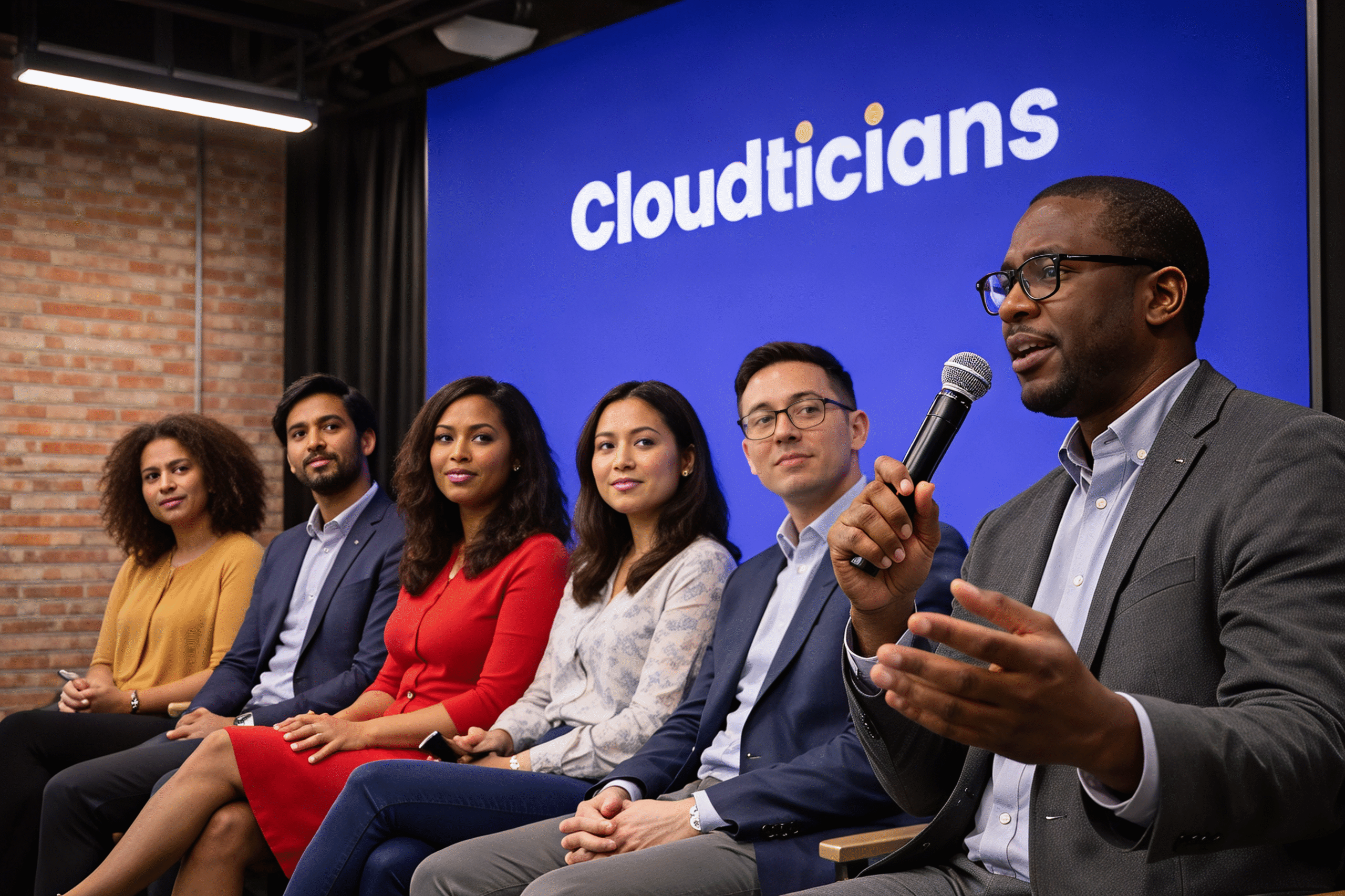
Organizations like Cloudticians align with this new model by emphasizing fundamentals, real-world scenarios, and applied thinking. The goal is not to rush learners into roles, but to ensure that when opportunity comes, they can step in with confidence.
This approach reflects where the industry is heading, not where it used to be.
A redefinition, not a disappearance
Entry-level cloud roles haven’t vanished. They’ve been redefined.
The industry now expects readiness earlier, judgment sooner, and understanding deeper than before. For those who adapt to this reality, the path remains open, and often clearer.